How We Know · Unit 3 of 4
How We Trace
Reading the DNA an organism left behind in the water and the soil.
Targeted eDNA · Metabarcoding · Environmental Biology
Quick — guess.
How would you know if there's a fish in a pond you can't see into?
How would you find a snake hiding in twelve million acres of swamp? How would you know what species used to live here a hundred years ago, but doesn't anymore?
Last week we counted. Last class we listened. Now we trace. Every organism sheds bits of itself constantly — skin cells, scales, hair, mucus, waste. These bits carry DNA. The DNA stays in the water. The DNA stays in the soil. We can read it.
The honest truth
Every living thing leaks DNA.
Cells slough off. Mucus dissolves. Hair falls out. Waste enters the water. Anywhere a creature has been, traces of its genome are there too — for hours, days, sometimes years.
Read those traces and you know who passed through. Two methods today. One asks "is this specific species here?". The other asks "what's everything here?".
Two shapes of question
One species, or everything.
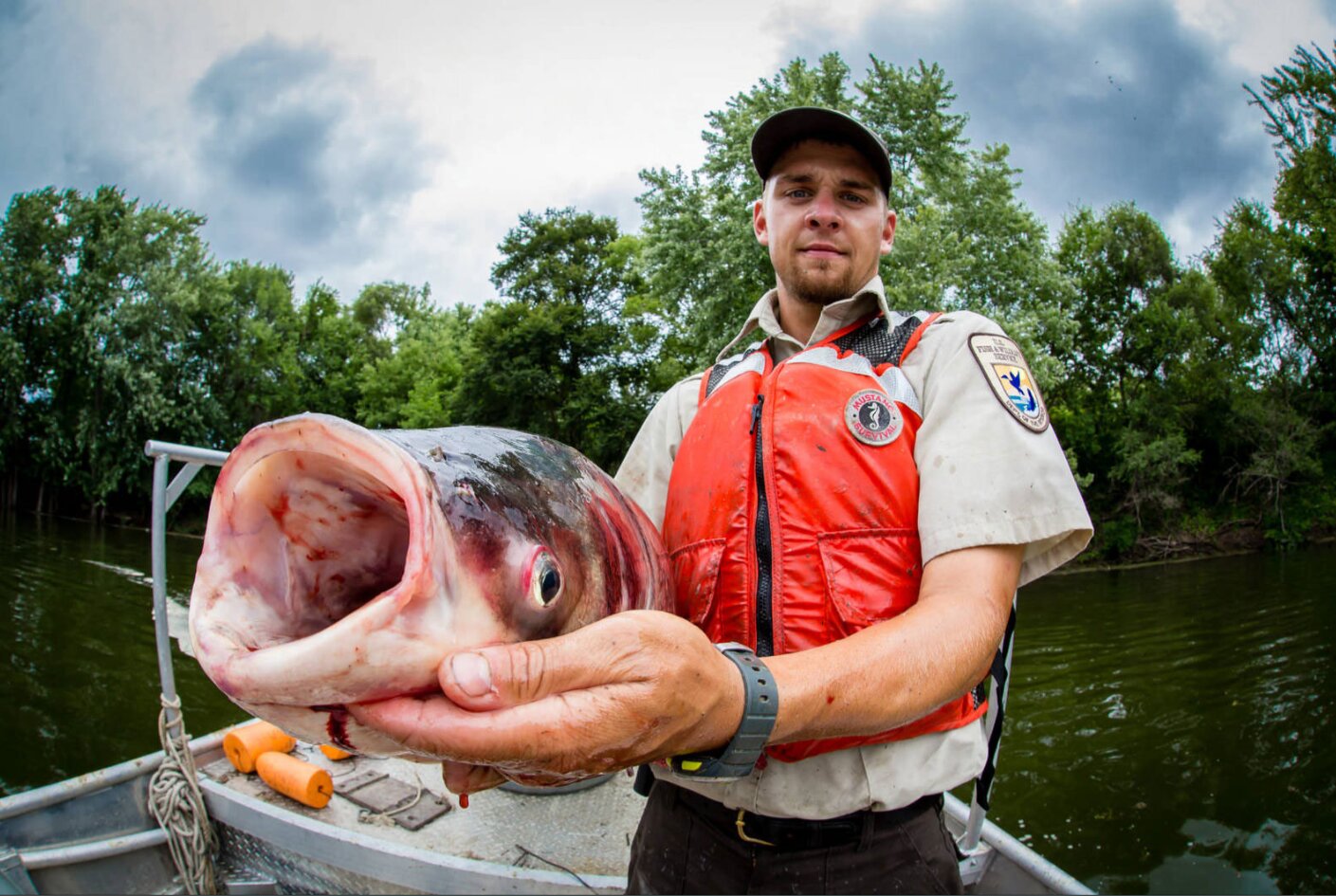
"Is this one species here?"
An invasive fish. An endangered salamander. A specific pathogen you're afraid of.
You design a DNA marker for that species. You sample the water. You ask the marker: found anything that matches?
Use: targeted eDNA (qPCR).
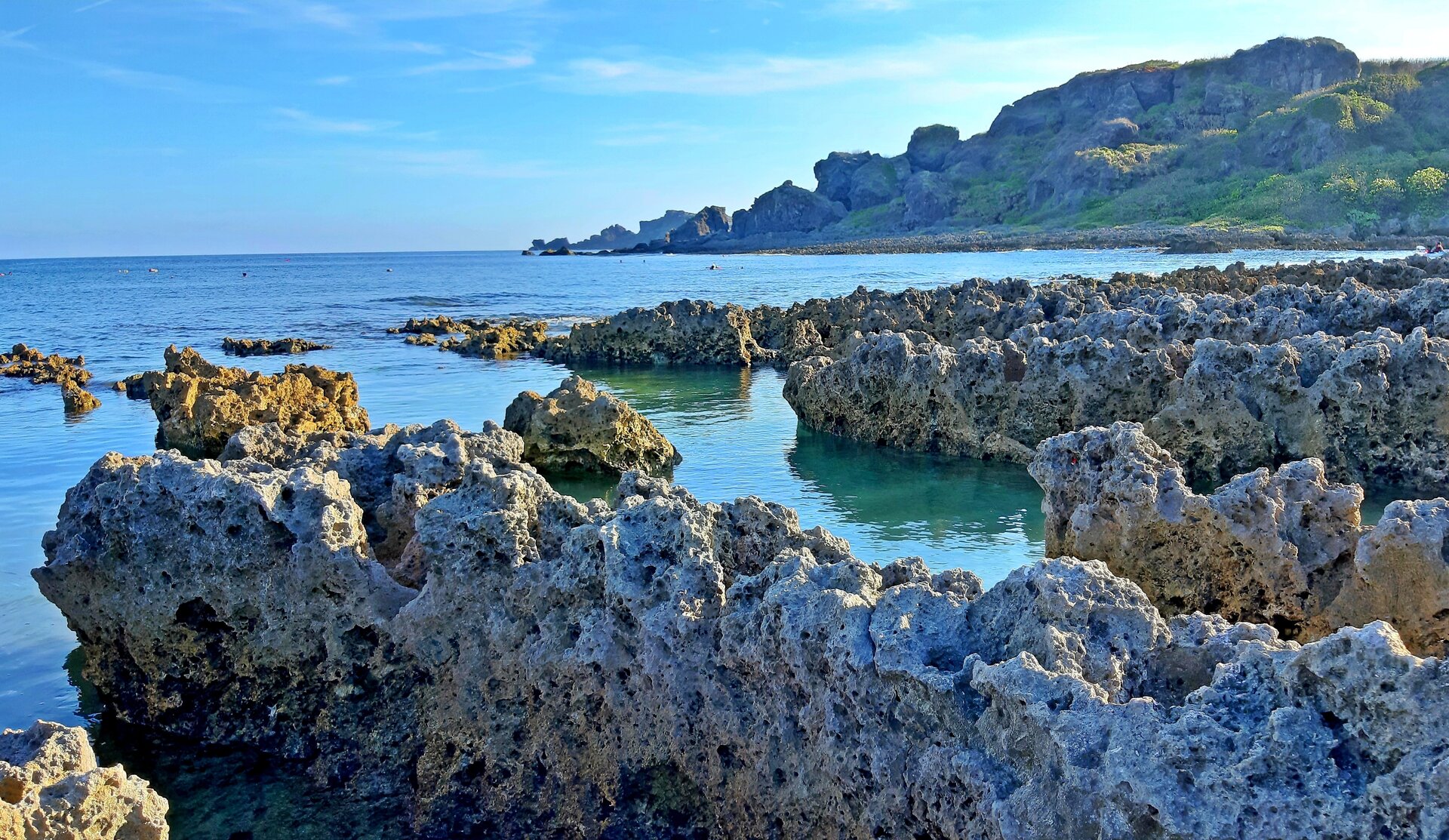
"What's everything here?"
A reef you want to inventory. A river of unknown biodiversity. A soil sample.
You sample, you sequence everything, then you match millions of reads against a reference database.
Use: metabarcoding.
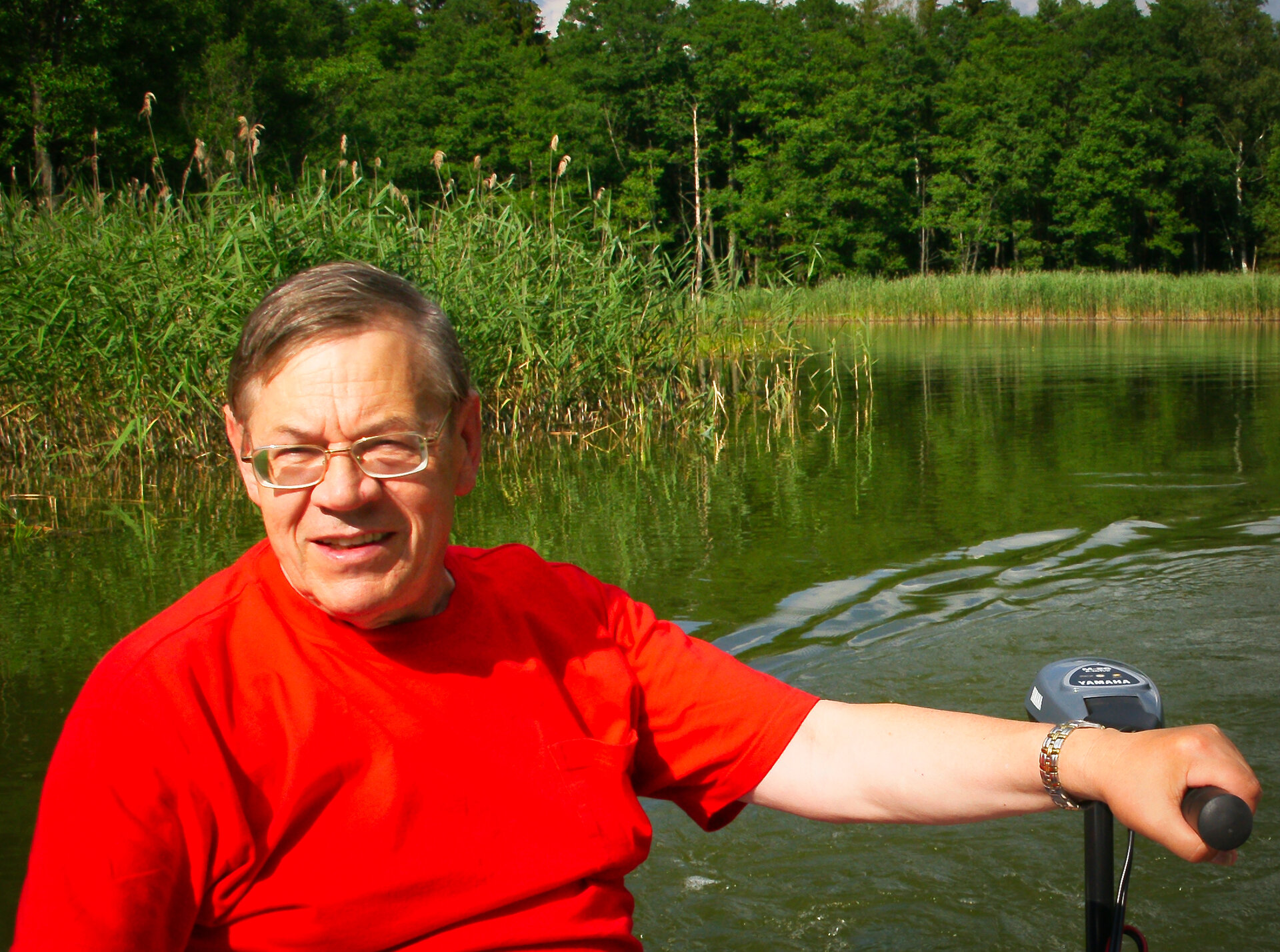
A liter of water. A filter. A question with one answer. The fish was here. Or it wasn't. The endangered salamander spawned in this pool. Or it didn't. Targeted eDNA asks one species, gets one answer. No nets. No traps. No need to ever see the animal.
The question it answers
Is this species here — even when you can't see it?
Some animals are rare. Some are nocturnal. Some are at densities so low that traditional nets and traps catch nothing — even when the species is right there.
eDNA changes the math. Even at one fish per acre, that fish is shedding DNA into the water. A targeted test for that species' DNA can find it before anyone ever sees it. Earlier than electrofishing. Earlier than nets. Earlier than camera traps.
Targeted eDNA · three steps
The method.
Collect water
One to several liters of water from the lake, river, or pond. Filter it through a fine membrane — any DNA in the water gets trapped on the filter. Bag it. Ship it cold.
Extract and amplify
In the lab, dissolve DNA off the filter. Then run qPCR — a reaction that only amplifies DNA from your target species, using a custom-designed primer. If your target is there, the signal builds. If not, nothing.
Read the result
Positive or negative. Sometimes you also get an estimate of how much DNA was in the sample — more DNA usually means more animals or fresher shedding nearby. That's your answer.
The math is a story
An example.
Zero fish caught in nets does not mean zero fish in the lake. Maybe they were hiding. Maybe they were sleeping. Maybe there were only ten of them in a million gallons of water. eDNA can find them anyway. The DNA in the water is the witness the nets aren't.
Asian carp. The DNA showed up first. By 2009, invasive bighead and silver carp were swimming up the Mississippi toward Lake Michigan. Traditional electrofishing kept finding nothing past the electric barrier near Chicago. Then USGS started filtering water for DNA. Positive detections in the Chicago Area Waterway System. Positive detections in Lake Erie. The actual fish were caught months — sometimes years — later, in some of the exact spots the DNA had already flagged. eDNA gave managers a head start on a fish that's hard to net and easy to miss.
Where else this works
Targeted eDNA is everywhere now.
Reservoir Pond, Canton, MA · 2002—today
Northern snakehead in Massachusetts
An invasive Asian fish, dumped from aquariums into local ponds. Five confirmed in MA since 2002 — the most recent in Canton, half an hour from Everett. USFWS Northeast Fishery Center has built a snakehead eDNA marker. State agencies can now screen any pond for snakehead DNA without ever catching a fish.
Everglades, Florida · 2010s—today
Burmese pythons
Twelve million acres of swamp. Maybe 100,000 pythons. Catching them by walking around is hopeless. Researchers filter swamp water for python DNA and map where the snakes are densest. The DNA map is now used to direct hunters and trappers to the highest-density areas.
Appalachian streams · 2015—today
Eastern hellbenders
A huge, secretive aquatic salamander. They hide under big rocks. They're endangered. They're impossible to survey by walking the streams. eDNA flips the work: filter the stream water, get a DNA-positive map of where hellbenders still survive — without flipping a single rock.
What it can't tell you · limits
Three things eDNA can't do.
1. It can't tell you if the animal is alive. A dead carcass sheds DNA. So does a bird that ate a snakehead two states away and pooped here. A positive signal means the DNA is here. Whether the live animal is here is a separate question.
2. It usually can't tell you how many. qPCR estimates DNA concentration, but turning that into a count of individuals is hard. Water flow, temperature, season, the species' shedding rate — all affect the signal.
3. It can't tell you what you didn't ask about. A targeted test for snakehead won't notice the python in the same water sample. You only see what your primer is designed to find.
Method two
What if you want to know everything?
Same sample. Different question. Same logic.
One sample. Every species. All at once. The same bucket of water. The same filter. But instead of asking "is this one species here?", the machine sequences every bit of DNA on the filter. Millions of reads. Each one is matched against a database. The output is a list of species that were in that water — sometimes a long one.
The question it answers
What is even here?
Some places are too big to inventory by walking around. A reef. A river. An entire forest. Some species are too small or cryptic to identify by sight — fungi, protists, larval fish, microbes. Metabarcoding sees them all at once.
You pick a "barcode" gene that all species in a group share but with slight differences — like a barcode in a store. You amplify that barcode from every organism in the sample. You sequence. Then a database says: this read matches a perch, this one a frog, this one a fungus you've never seen anyone find here.
Metabarcoding · three steps
The method.
Sample broadly
Same kind of water sample as for targeted eDNA. Or a soil core. Or a swab. The point is to capture DNA from everything there, not just one species.
Amplify a barcode
Use a primer that grabs the same gene region from many species at once — usually a short stretch of mitochondrial DNA. Now you have millions of copies of that one stretch, from dozens or hundreds of species, all mixed together.
Sequence and match
Read all the copies on a sequencer. A computer sorts them: this set of reads matches striped bass, this one matches Atlantic silverside, this one a copepod. Output: a species list.
The math is a story
An example.
From a single liter of water you can detect dozens of species you never see. Some abundant, some passing through, some that traditional surveys at the same site have never caught. The reads also tell you who's there in small numbers — early warning of arrivals before they're common.
A bucket of seawater. Dozens of fish. In 2017 a team led by Mark Stoeckle at Rockefeller University filtered seawater off the New York–New Jersey coast — the same Atlantic shelf that touches Cape Cod. From small samples taken weekly for six months, metabarcoding identified 70+ marine vertebrate species: bluefish, menhaden, striped bass, dolphins, even whale DNA. Species that traditional trawl surveys at the same spots had missed. Same coast, same year, same fish — but the seawater knew, and the nets didn't.
Where else this reveals biodiversity
Metabarcoding is everywhere now.
US continent-wide · 2017—today
NEON soil network
The National Ecological Observatory Network collects soil samples at the same 81 sites across the US every year, then metabarcodes them. One core of soil, thousands of microbe and fungus species. The reference map of how soil biodiversity is changing as climate shifts.
Greenland · 2 million years ago
Paleo-eDNA in sediment
DNA can survive in cold sediment for millions of years. In 2022, scientists sequenced DNA from frozen mud at the northern tip of Greenland — the oldest DNA ever read. It revealed a forest with mastodons, hares, and reindeer where today there's only tundra. Lost ecosystems made readable.
Worldwide · ongoing
Community-science eDNA
Local programs collect water and soil samples from rivers, beaches, and parks — including some in Massachusetts watersheds. Citizens send them to labs that metabarcode the samples and return species lists. Anyone can map biodiversity in their own neighborhood now.
Two questions · one trace
What you walk away knowing.
Targeted eDNA (qPCR)
Asking the water about one species. A designed primer amplifies DNA from your target — and only your target. Positive or negative. Catches rare and cryptic species traditional surveys miss.
Metabarcoding
Asking the water about everything. A universal primer amplifies a shared barcode gene from every species in the sample. Millions of sequencer reads, matched against a reference database, returned as a species list.
Different questions. Same underlying truth: everything alive sheds DNA. The water remembers what passed through. The organisms don't have to be there for us to know they were.
Your turn.
Pick a question about a place near you. Something you actually wonder about. eDNA is the tool — your job is to design the test.
Is there a snakehead in Reservoir Pond? Are there native eels still in the Mystic? What fungi grow in the soil of the schoolyard? What fish swim in Boston Harbor that nobody ever sees?
Write it down — all four:
- What's your question — about one species, or about everything that's there?
- Which method — targeted eDNA, or metabarcoding?
- Where would you sample, and what would you sample (water, soil, swab)?
- What would a positive result tell you — and what would it not tell you?